Indonesia’s E‑Commerce Income Tax Withholding Rule Takes Effect 1 August: Who Pays for the 0.5% Tax Burden?
I. Policy Background: From “Self‑Reporting” to “Platform Withholding” – A Tax System Overhaul
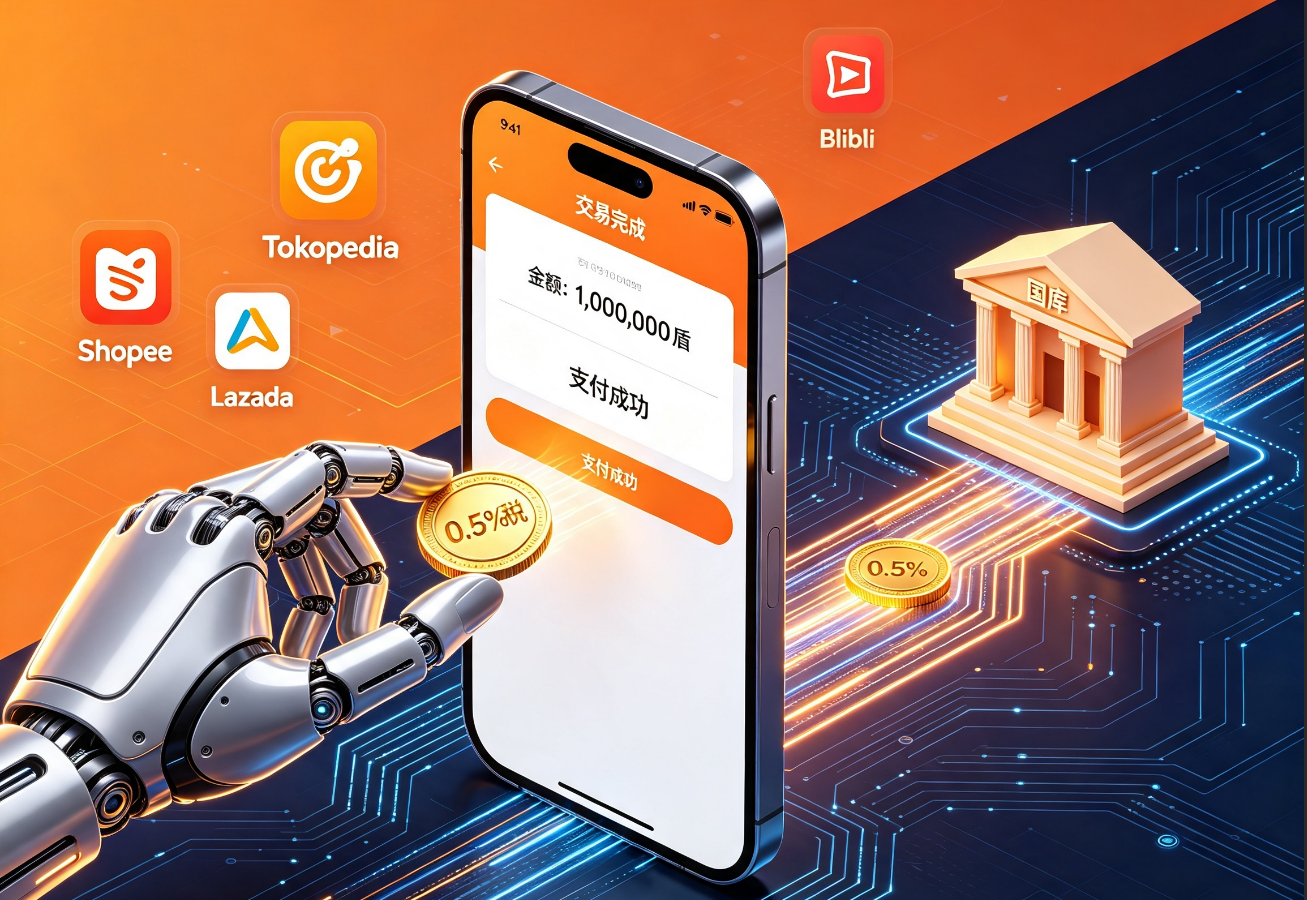
On 1 August 2026, Indonesia’s digital economy tax regime undergoes a historic shift. The Directorate General of Taxes (DJP) of the Ministry of Finance has officially designated four major e‑commerce platforms – Tokopedia, Shopee, Lazada, and Blibli – as withholding agents for Article 22 Income Tax (PPh 22). This means that the tax obligation of Indonesian e‑commerce sellers changes from self‑declaration and self‑payment to automatic withholding by the platform at the moment of each transaction.
This change is not sudden. As early as 2025, the Ministry of Finance issued Minister of Finance Regulation No. 37/2025 (PMK 37/2025) , which laid the legal foundation for e‑commerce platform income tax withholding. The policy was originally scheduled to take effect earlier but was postponed several times due to economic recovery conditions and other factors. Ultimately, the government set 1 August 2026 as the official implementation date, with July 2026 designated as a transition period for platforms to complete system adjustments and seller education.
There are three core drivers behind this policy:
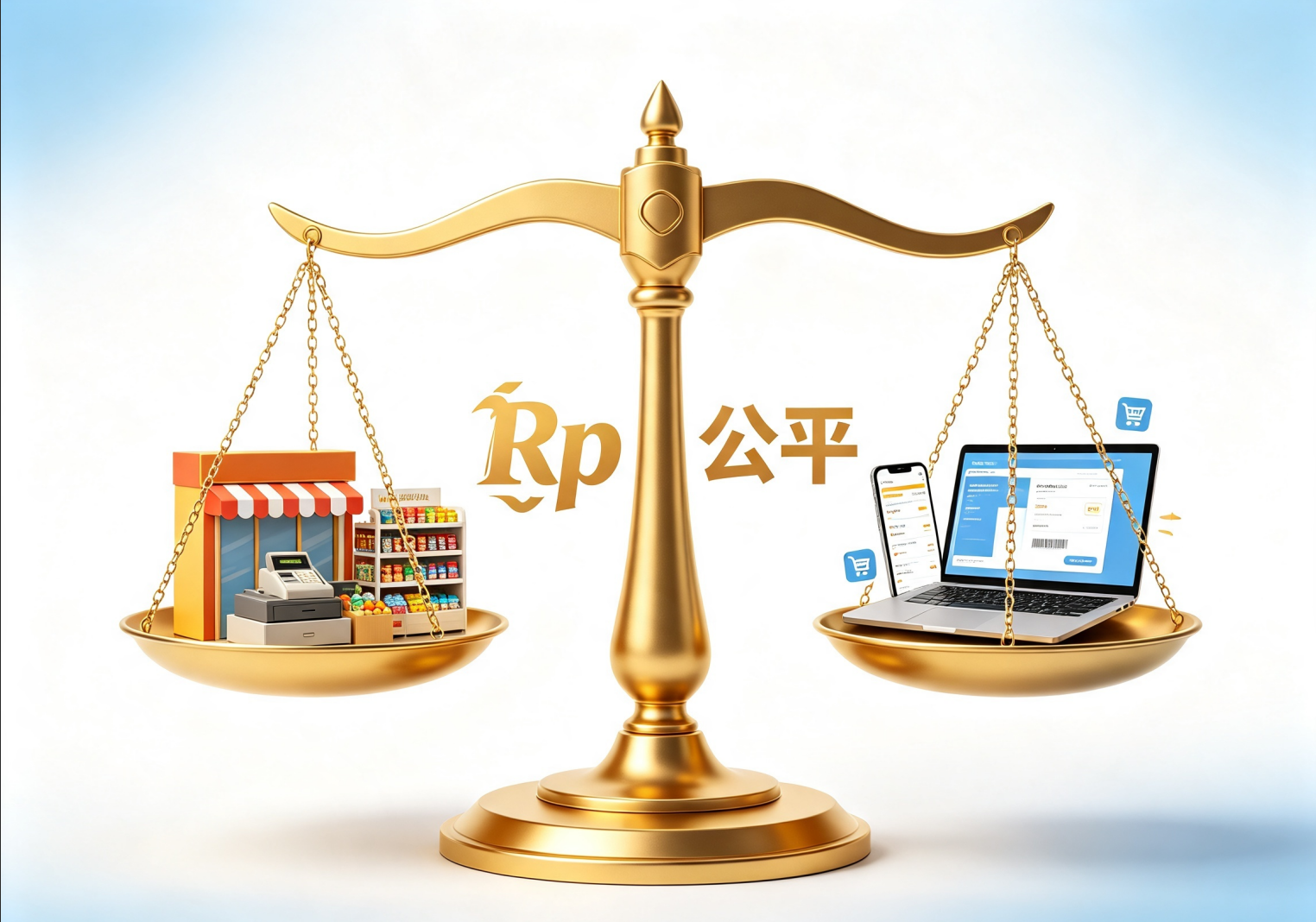
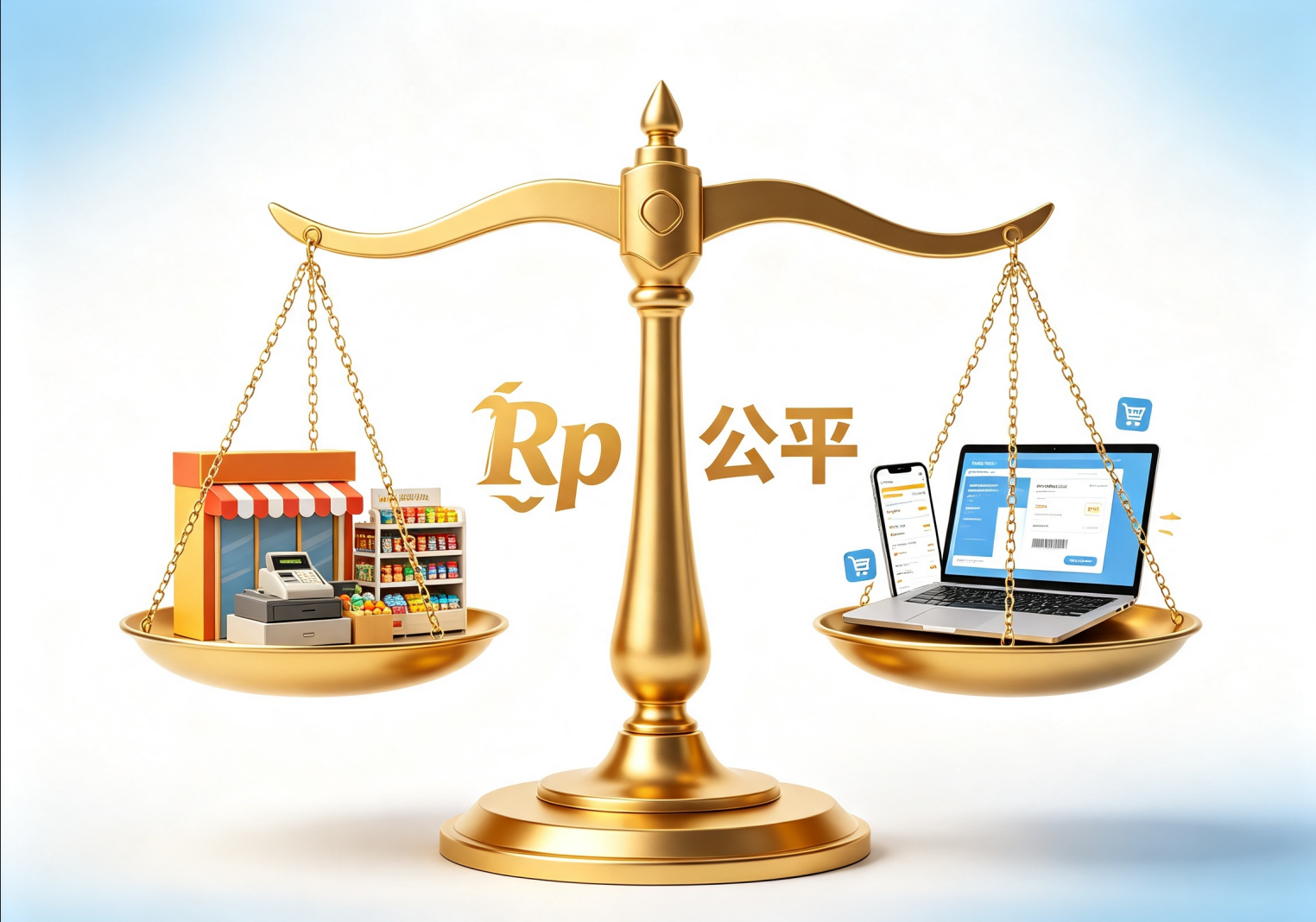
First, tax fairness. The Director General of Taxes, Bimo Wijayanto, clearly stated at a press conference that online and offline merchants should receive the same tax treatment. As the digital economy has grown rapidly, traditional brick‑and‑mortar businesses have been paying taxes, while tax collection from e‑commerce sellers has shown obvious loopholes, creating inequities.
Second, collection efficiency. Over the past five years, tax revenue from the digital trade sector has been around IDR 8‑12 trillion per year. By shifting the collection point to the moment of transaction through platform withholding, the tax authority can significantly improve efficiency. The DJP estimates that this policy can double digital trade tax revenue to IDR 16‑24 trillion per year.
Third, digital economy governance. Indonesia’s e‑commerce sector continues to expand. According to the Google, Temasek, and Bain & Company report, Indonesia’s e‑commerce GMV reached approximately USD 71 billion in 2025 and is expected to grow to USD 140 billion by 2030. Such a massive transaction volume demands more systematic and digitised tax governance tools.
II. Core Policy Content: Who Is Taxed? How Much? How?
1. Tax Rate and Tax Base
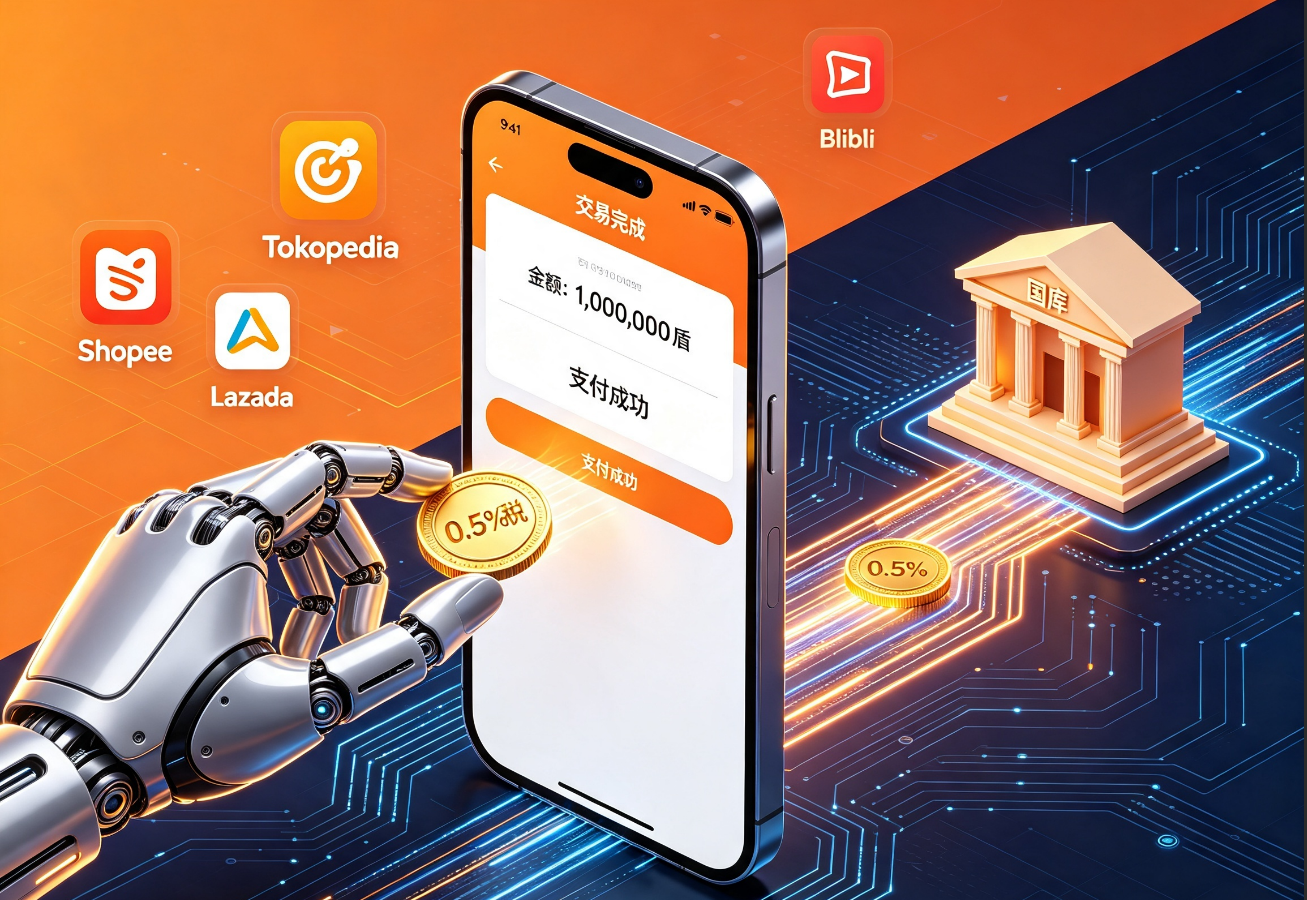
Platforms will withhold 0.5% of the seller’s gross turnover (gross revenue) as Article 22 income tax. The tax base excludes VAT (PPN) and Luxury Goods Sales Tax (PPnBM) .
For example, if a seller sells a product worth IDR 2 million through an e‑commerce platform, the withheld income tax will be IDR 10,000 (2 million × 0.5%).
2. Withholding Mechanism
The platform automatically deducts the tax at the time of each transaction. The process is: the consumer places an order and pays normally → the platform receives the payment → the platform automatically deducts 0.5% income tax from the seller’s proceeds → the platform issues a formal withholding certificate to the seller → the platform deposits the tax into the state treasury and reports it to the tax authority via the unified periodic tax return (SPT Masa PPh Unifikasi).
3. Exemptions
Not all sellers are subject to withholding. The policy provides several exemptions:
Individual sellers with annual turnover ≤ IDR 5 billion: exempt from withholding. However, they must proactively submit a turnover declaration letter to the platform. Once turnover exceeds the IDR 5 billion threshold, the seller must update the declaration, and the platform will begin withholding.
Sellers holding a tax exemption certificate (SKB PPh 22): eligible for a 0% withholding rate.
Specific transaction categories: including courier/logistics services, mobile phone credit and SIM card sales, gold jewellery and gemstone transactions, and land and building sales.
4. Combined Turnover Across Multiple Platforms
A key change: turnover from the same seller on multiple platforms will be aggregated. The DJP already has the ability, through the Coretax digital system, to consolidate transaction data from various platforms for the same taxpayer. This means that attempts to avoid withholding by setting up multiple storefronts across platforms and keeping each platform’s turnover below IDR 5 billion will no longer be effective.
5. Nature of the Withheld Tax
The character of the withheld tax depends on the seller’s size:
MSME sellers with annual turnover between IDR 5 billion and 4.8 billion: the withheld 0.5% is final income tax – the income tax obligation for that transaction is settled at the point of sale.
Large enterprises with annual turnover above IDR 4.8 billion: the withheld 0.5% is a creditable tax – it can be used as a tax credit against the annual corporate income tax liability when filing the annual return.

III. Impact Analysis on All Parties
1. Impact on E‑Commerce Platforms
Being designated as withholding agents poses multiple challenges for the four major platforms: system upgrades, compliance management, and seller communication. Platforms must establish data interfaces with the tax system and bear the obligation to report all relevant tax data to the tax authority. The Minister of Finance has indicated that more e‑commerce platforms will gradually be added to the list of withholding agents in the future.
On the other hand, platforms also gain a structural advantage – by becoming a key link in the tax collection chain, their position in digital economy governance is further strengthened.
2. Impact on Sellers
Cost aspect: The 0.5% income tax withholding directly erodes seller margins. Considering that since 2026, major platforms have already raised commission rates (TikTok Shop raised commissions across categories by 2‑3.7%, Lazada by 3%), introduced new logistics service fees (TikTok Shop and Tokopedia started charging logistics fees in May), the additional 0.5% withholding further intensifies the overall cost pressure.
Compliance aspect: Sellers are now required to proactively submit a turnover declaration letter to the platform in order to claim exemption. For MSME sellers unfamiliar with tax procedures, this is a new compliance hurdle. In addition, sellers must ensure that their Coretax account is properly activated.
Operational aspect: Aggregated turnover across multiple platforms means sellers can no longer use storefront dispersion as a tax avoidance strategy. Business strategies must be comprehensively adjusted.
3. Impact on the Indonesian Market and Consumers
At the macro level, this policy aims to achieve tax fairness and improve collection efficiency – an important step in Indonesia’s digital economy governance.
At the consumer level, the tax authority has explicitly urged e‑commerce sellers not to raise prices because of the new tax regime, stressing that this is not a new tax and should not be passed on to consumers. The 0.5% rate is levied on turnover (not profit), and for sellers with already thin margins, there is indeed upward pressure on prices. However, the government’s stance is clear: the tax burden should be borne by sellers, not shifted to consumers.

IV. Recommendations for Existing Sellers
(1) Confirm your exemption eligibility as soon as possible
Individual sellers with annual turnover ≤ IDR 5 billion should immediately submit a turnover declaration letter to their platform(s) to avoid automatic withholding. July is the transition period – the golden window for submission.
(2) Audit your multi‑platform stores and calculate combined turnover
The DJP has made it clear that it will aggregate turnover across platforms for the same taxpayer. Sellers should honestly assess their total revenue to determine whether they exceed the IDR 5 billion threshold, and plan their tax affairs accordingly.
(3) Keep proper financial records and safely store withholding certificates
Platforms will issue formal withholding certificates after deduction. Sellers should keep these documents carefully, as they will be needed for crediting against annual tax liabilities.
(4) Re‑calculate your cost structure and pricing
The 0.5% withholding, combined with previous commission hikes and logistics fees, further narrows profit margins. Sellers should recalculate overall costs and seek operational efficiency improvements rather than simply raising prices (the tax authority has explicitly opposed price hikes due to this tax).
(5) Stay informed about policy developments and mitigate compliance risks
The DJP will gradually add more platforms as withholding agents. Sellers should continuously monitor policy changes to ensure compliance.

V. Recommendations for New Sellers Planning to Enter the Market
(1) Factor tax into your business plan from the start
When preparing a business plan, new sellers should incorporate the 0.5% income tax withholding into their cost model. The IDR 5 billion annual turnover threshold is a key exemption limit – you may take advantage of it initially, but you need to plan ahead for the tax arrangements once you exceed that threshold.
(2) Build a compliance mindset from day one
Unlike the past practice of “open a store first, worry about taxes later”, new sellers should prioritise tax compliance from the very first day. Submit the turnover declaration to the platform promptly, activate your Coretax account, and keep all tax documents organised.
(3) Don’t rely on “multi‑platform splitting” to avoid tax
The DJP has made clear that it will monitor total turnover across platforms through its systems. New sellers should not harbour illusions about circumventing withholding by spreading sales across multiple stores. Instead, focus on building a compliant and sustainable single‑store business.
(4) Consider platforms’ tax execution capabilities when choosing where to sell
The four major platforms (Tokopedia, Shopee, Lazada, Blibli) are already designated as withholding agents. More platforms will be added in the future. When deciding which platform to join, new sellers should evaluate each platform’s tax system maturity and seller support services.
VI. Conclusion
Indonesia’s e‑commerce platform income tax withholding policy, effective 1 August, is not a new tax, but a change in the collection mechanism. It transforms tax collection from “seller self‑declaration” to “automatic platform withholding”, marking a new phase in Indonesia’s digital economy tax governance.
For sellers, the 0.5% rate may appear small, but when combined with the wave of commission increases, new logistics fees, and other cost pressures throughout 2026, profit margins are being squeezed continuously. Compliant operations, refined management, and cost restructuring will be the keywords for survival and growth for Indonesian e‑commerce sellers in the second half of 2026 and beyond.
The Indonesian government has clearly indicated that it will gradually expand the list of withholding platforms in the future. Whether you are an established seller already operating in the Indonesian e‑commerce market or a new player planning to enter, it is essential to build a robust tax compliance system early on – so that you can stay ahead in this tax reform.