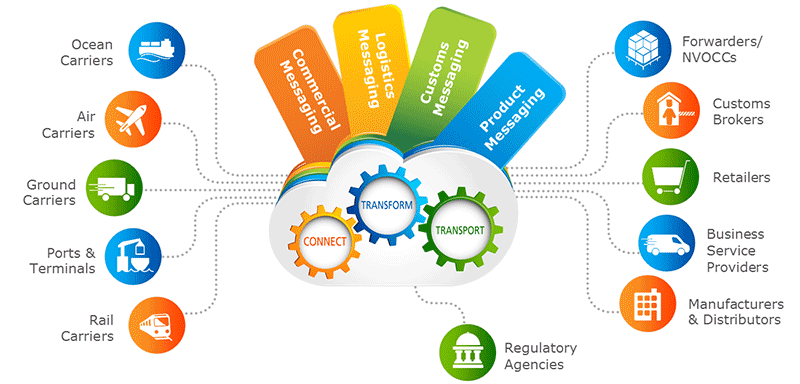
印尼巴淡自贸区(PPFTZ)清关全指南
发布时间: 2026-07-09|栏目: 印尼清关指南|阅读时长: 8 分钟
📘 本文导读
随着巴淡岛 AI 数据中心、电子制造等产业爆发,越来越多中国企业选择从巴淡自贸区进口设备物料。本文系统拆解 PPFTZ 自贸区清关规则、操作流程、资质要求与常见坑点,帮助出口企业、项目方、物流从业者合规享受免税政策,避免清关延误与罚款。
适用人群: 对印尼出口外贸企业、巴淡投资项目方、数据中心建设采购、跨境物流服务商
📑 本文目录
一、PPFTZ 是什么?三类凭证适用场景
二、自贸区清关前置资质要求
三、PPFTZ-01 进口清关完整 6 步流程
四、清关所需文件清单(含数据中心特殊品类)
五、巴淡自贸区清关 vs 雅加达普通清关核心区别
六、数据中心项目专属清关优化方案
七、高频踩坑点与合规风险提示
八、巴淡清关常见问题解答
一、PPFTZ 是什么?三类凭证适用场景
PPFTZ(Pemberitahuan Pabean Free Trade Zone) 是印尼自贸区专属海关进出区申报凭证,仅适用于巴淡、民丹、卡里蒙等廖内群岛自贸区,替代普通进口 PIB 申报单,是享受 「免关税 + 免 VAT + 免奢侈品税」 政策的核心前提。
📊 三类 PPFTZ 凭证对比
| 凭证类型 | 核心用途 | 货物流向 | 数据中心项目适配度 |
|---|
| PPFTZ-01 | 境外货物入区自用 | 中国/海外 → 巴淡自贸区企业(设备、原材料、零部件) | ★★★★★ 最常用,进口设备均走此通道 |
| PPFTZ-02 | 特殊监管区域互转 | 自贸区↔保税区↔其他经济特区调货 | ★☆☆☆☆ 极少使用 |
| PPFTZ-03 | 印尼本土货物入区 | 雅加达等印尼关税区 → 巴淡自贸区 | ★★☆☆☆ 本土采购辅料时使用 |
💡 政策提示: 只有货物进入巴淡且在自贸区内 使用/消费/生产,才可享受免税政策;若后续转运至印尼本土关税区,需重新申报出区并 补缴全额关税 + VAT,视同二次进口。
二、自贸区清关前置资质要求
并非所有巴淡注册企业都可办理 PPFTZ 清关,收货人需同时具备以下资质:
✅ 主体资质: 巴淡本地注册公司(PT PMA 外资 / 本地公司均可),注册地址在自贸区范围内
✅ 基础三件套: NIB 企业识别号、NPWP 税务登记号、API-U 通用进口商资质(或 API-P 生产型进口商资质)
✅ 海关备案: NIK 海关编号 + 巴淡海关自贸区企业备案
✅ 园区加速备案(可选): 入驻农萨数字园(NDP)、卡比尔工业园等园区的企业,可走园区绿色通道,审批提速 30%
⚠️ 实操提醒: 多数首次进入巴淡的中国设备商、总包方无本地资质,需委托具备资质的 本地进口服务商(IOR) 作为清关抬头,这也是专线物流的核心增值服务之一。
三、PPFTZ-01 进口清关完整 6 步流程
(境外货物进口巴淡自用场景,也是最常用流程)
第一步:货到前预申请(决定清关速度的关键)
⏱ 时间节点: 货物到港前 3-5 天启动,禁止货到后再申请
💻 操作渠道: 通过印尼海关 CEISA 系统(巴淡对接 IBOSS 一站式平台)提交 PPFTZ-01 预申报
🔍 审核内容: 海关核查企业资质、货物用途是否符合免税范围、HS 编码准确性
⏳ 正常时效: 1-2 工作日通过,高值/特殊品类可能要求补充证明材料
第二步:货物到港换单
第三步:正式申报与税费核定
第四步:海关查验(抽验概率远低于雅加达)
巴淡自贸区整体查验率约 5%-10%,普通机电设备、建材基本免查验
高值 IT 设备、化工品、带电池设备查验率约 15%-20%
查验方式以 X 光机检为主,少数敏感品类开箱人工查验
第五步:放行与提货
第六步:入区核销(易遗漏的合规步骤)
四、清关所需文件清单
📄 基础必备文件(每票通用)
PPFTZ 申请表(CEISA 系统生成,需企业电子签章)
商业发票(英文,标注 HS 编码前 6 位、CIF 货值、贸易术语)
装箱单(明细到每个品名的毛重、净重、数量、规格)
海运提单/空运单(Consignee 必须为巴淡自贸区备案企业)
收货企业资质复印件(NIB、NPWP、API、NIK 海关号)
原产地证(Form E,虽免税但部分品类需证明产地合规)
📡 数据中心项目特殊品类附加文件
| 设备品类 | 特殊文件要求 | 备注 |
|---|
| UPS、配电柜、低压电器 | SNI 强制认证 | 大型工程设备可凭项目批复申请豁免 |
| 交换机、路由器、无线设备 | SDPPI 型号核准证 | 所有带射频/通信功能设备强制要求 |
| 液冷冷却液、化工辅料 | MSDS 安全数据表 | 证明非危险品,避免按危险品计费 |
| 变压器、冷却塔等大型设备 | BP Batam 项目批复函 | 大型基建项目可走清关绿色通道 |
| 服务器、IT 设备 | 最终用途声明 | 证明为数据中心运营自用,非转售用途 |

五、巴淡自贸区清关 vs 雅加达普通清关核心区别
| 对比维度 | 巴淡 PPFTZ 自贸区清关 | 雅加达普通 PIB 清关 |
|---|
| 税费成本 | 免关税、免 11% VAT、免奢侈品税 | 正常缴纳关税(平均 7%-15%)+ 11% VAT |
| 申报凭证 | PPFTZ 系列申报单 | PIB 标准进口申报单 |
| 查验概率 | 5%-10%,普货基本免查 | 20%-30%,高值货查验率超 50% |
| 清关时效 | 常规 2-3 工作日,最快当天放行 | 常规 5-10 工作日,旺季 15-30 天 |
| 后续监管 | 区内自由流转,出区需补税核销 | 放行后无海关监管 |
| 收货人要求 | 必须为巴淡自贸区备案企业 | 任意印尼具备 API 资质的进口商 |
| 港口拥堵风险 | 低,巴淡港作业效率高 | 高,丹戎不碌港常年拥堵 |
六、数据中心项目专属清关优化方案
针对巴淡岛大规模 AI 数据中心建设项目,可申请专项清关优化,大幅提升效率:
🚀 项目批量备案: 润泽、DayOne 等亿元级大型项目,凭 BP Batam 项目批复可申请 年度批量 PPFTZ 备案,一次审批全年分批次进口,无需逐票审核,清关效率提升 50%
🏭 园区绿色通道: 入驻 Nongsa Digital Park、Kabil 工业园的数据中心项目,园区与海关联动机制可进一步 降低查验率
🔄 临时入境通道: 测试设备、安装工具可办理 临时入境 PPFTZ,项目结束后复运出境,无需缴纳税费
七、高频踩坑点与合规风险提示
| ⚠️ 风险点 | 后果与建议 |
|---|
| 1. 提单 Consignee 错误 | 若收货人填写雅加达公司,无法办理巴淡免税清关,只能转雅加达清关补缴全额税费,直接损失 15%-25% 的成本。 |
| 2. 用途申报不符 | 申报为“自用设备”实际用于转售贸易,被海关核查后将 追缴 3 年税款 + 200% 罚款,严重者取消自贸区资质。 |
| 3. HS 编码归类错误 | 虽无需缴税,但海关严格核查归类准确性,故意归入低监管品类会导致 扣货整改,延误项目工期。 |
| 4. 货物出区未申报 | 私自从巴淡转运货物至印尼本土关税区属于 走私行为,面临高额罚款与刑事风险。 |
| 5. 入区核销逾期 | 货物入区后 14 天内未完成核销,将产生滞纳金并 降低企业海关信用等级,后续清关查验率提升。 |
八、巴淡清关常见问题解答
Q:没有巴淡本地公司可以走 PPFTZ 免税清关吗?
A:可以,委托具备自贸区资质的 合规 IOR 进口服务商作为清关抬头即可享受免税政策,无需自行注册公司。
Q:巴淡进口的设备可以运到雅加达使用吗?
A:可以,但需向巴淡海关申报出区,补缴对应关税与 VAT 后,方可转运至印尼本土关税区使用。
Q:PPFTZ 申请需要多久能批下来?
A:普通货物预申请 1-2 工作日即可通过,大型项目批量备案约 5-7 工作日。
📌 服务推荐
汇百方物流 专注中国-印尼专线物流,提供:
巴淡港直航专线
PPFTZ 清关代办
注册巴淡PT PMA公司
数据中心项目定制物流
一站式服务,熟悉巴淡自贸区政策与清关流程,可提供从国内提货到巴淡工地配送的 全链路 DDP 解决方案。如有需求,欢迎联系我们的专属顾问。
本文内容基于印尼海关现行法规及实操经验整理,政策如有变动,请以官方最新公告为准。
Batam Free Trade Zone (PPFTZ) Customs Clearance Guide
Published: July 9, 2026|Section: Indonesia Customs Guide|Reading Time: 8 minutes
📘 Introduction
With the rapid growth of industries such as AI data centers and electronics manufacturing in Batam, more and more Chinese companies are choosing to import equipment and materials through the Batam Free Trade Zone. This article systematically breaks down PPFTZ customs clearance rules, operating procedures, qualification requirements, and common pitfalls to help exporters, project owners, and logistics providers comply with regulations, enjoy duty‑free benefits, and avoid clearance delays and penalties.
Target Audience: Exporters to Indonesia, Batam investment project teams, data center procurement departments, and cross‑border logistics service providers.
📑 Table of Contents
1. What is PPFTZ? Three Certificate Types and Their Use Cases
2. Pre‑clearance Qualification Requirements for the FTZ
3. Complete 6‑Step Process for PPFTZ‑01 Import Clearance
4. Required Documentation (Including Special Categories for Data Centers)
5. Key Differences: Batam FTZ Clearance vs. Jakarta Regular Clearance
6. Dedicated Clearance Optimisation for Data Center Projects
7. Common Pitfalls and Compliance Risk Alerts
8. FAQ on Batam Clearance
1. What is PPFTZ? Three Certificate Types and Their Use Cases
PPFTZ (Pemberitahuan Pabean Free Trade Zone) is the exclusive customs declaration document for Indonesia’s free trade zones, applicable only to the Riau Islands FTZ including Batam, Bintan, and Karimun. It replaces the ordinary import declaration form (PIB) and is the key prerequisite for enjoying exemption from import duties, VAT, and luxury‑goods tax.
📊 Comparison of the Three PPFTZ Certificate Types
| Certificate Type | Primary Purpose | Flow of Goods | Suitability for Data Center Projects |
|---|
| PPFTZ‑01 | Import of foreign goods for own use in the zone | China/overseas → Batam FTZ enterprise (equipment, raw materials, parts) | ★★★★★ Most common; all imported equipment uses this channel |
| PPFTZ‑02 | Transfer between special supervised areas | FTZ ↔ bonded zone ↔ other special economic zones | ★☆☆☆☆ Rarely used |
| PPFTZ‑03 | Entry of Indonesian domestic goods into the zone | Jakarta (Indonesian customs territory) → Batam FTZ | ★★☆☆☆ Used when sourcing auxiliary materials locally |
💡 Policy Note: Only goods that enter Batam and are used/consumed/produced within the FTZ are eligible for duty‑free treatment. If later transported to the Indonesian domestic customs territory, you must re‑declare for exit and pay full duties and VAT, which is treated as a second import.
2. Pre‑clearance Qualification Requirements for the FTZ
Not every company registered in Batam can process PPFTZ clearance. The consignee must possess all of the following:
✅ Entity qualification: A locally registered company in Batam (PT PMA or local) with a registered address within the FTZ area.
✅ Basic three documents: NIB (Business Identification Number), NPWP (Tax Registration Number), and API‑U (General Importer License) or API‑P (Producer Importer License).
✅ Customs registration: NIK (Customs Identification Number) + FTZ enterprise registration with Batam Customs.
✅ Park acceleration registration (optional): Enterprises located in Nongsa Digital Park (NDP), Kabil Industrial Park, etc., can use the park’s green lane and enjoy 30% faster approval.
⚠️ Practical Reminder: Most Chinese equipment suppliers and general contractors entering Batam for the first time lack local qualifications. They must engage a qualified local Importer of Record (IOR) as the clearance declarant – this is one of the core value‑added services offered by dedicated logistics providers.
3. Complete 6‑Step Process for PPFTZ‑01 Import Clearance
(This is the most common scenario: importing foreign goods for own use in Batam.)
Step 1: Pre‑application Before Arrival (Critical for Clearance Speed)
⏱ Timing: Start 3–5 days before the cargo arrives – never wait until after arrival.
💻 Channel: Submit the PPFTZ‑01 pre‑declaration through the Indonesian Customs CEISA system (Batam interfaces with the IBOSS one‑stop platform).
🔍 Review: Customs checks the enterprise’s qualifications, whether the goods use qualifies for duty‑free treatment, and HS code accuracy.
⏳ Normal processing: 1‑2 working days for approval; high‑value or special categories may require supplementary documents.
Step 2: Delivery Order upon Arrival
Obtain the Delivery Order (DO) from the shipping line using the Bill of Lading / Air Waybill.
Ensure the Consignee on the Bill of Lading exactly matches the PPFTZ applicant.
Pay terminal handling charges, documentation fees, and other port charges.
Step 3: Formal Declaration and Duty Assessment
Submit the complete clearance document package to generate the official PPFTZ declaration.
The system automatically determines duty‑free eligibility: goods meeting FTZ own‑use requirements have duties, VAT, and luxury tax all set to zero – no payment required.
If some goods do not meet the duty‑free conditions, Customs issues a tax assessment; payment must be made before release.
Step 4: Customs Inspection (Far Lower Inspection Rate than Jakarta)
Batam FTZ’s overall inspection rate is about 5‑10%; general mechanical/electrical equipment and building materials are mostly exempt from inspection.
High‑value IT equipment, chemicals, and battery‑containing devices have an inspection rate of about 15‑20%.
Inspections are primarily X‑ray scanning; a few sensitive categories may be subject to manual unpacking.
Step 5: Release and Pickup
After Customs approval, a release permit (SPPB) is issued, and you can proceed to the terminal for container pickup.
Full containers can be delivered directly to the client’s warehouse/project site; LCL cargo is de‑consolidated at the supervised warehouse for distribution.
Step 6: Zone Entry Verification (Often Overlooked but Required)
Within 14 days after the goods arrive at the FTZ enterprise address, you must submit entry verification in the Customs system.
This proves that the goods have indeed entered the FTZ for the enterprise’s own use and have not been illegally moved out of the customs territory.
Late verification incurs penalties and negatively affects the approval efficiency of future PPFTZ applications.
4. Required Documentation
📄 Basic Documents (Applicable to Every Shipment)
PPFTZ application form (generated from the CEISA system, with enterprise digital signature)
Commercial invoice (in English, showing first 6 digits of HS code, CIF value, and Incoterms)
Packing list (detailing gross weight, net weight, quantity, and specifications for each item)
Bill of Lading / Air Waybill (Consignee must be a Batam FTZ‑registered enterprise)
Copies of consignee’s qualifications (NIB, NPWP, API, NIK Customs number)
Certificate of Origin (Form E – although duties are exempt, some categories need it to prove origin compliance)
📡 Additional Documents for Data Center Special Categories
| Equipment Category | Additional Document Requirement | Notes |
|---|
| UPS, distribution cabinets, low‑voltage electricals | SNI mandatory certification | Large engineering equipment may apply for exemption with project approval |
| Switches, routers, wireless devices | SDPPI type approval | Mandatory for all equipment with radio/communication functions |
| Liquid cooling fluids, chemical auxiliaries | MSDS (Material Safety Data Sheet) | To prove non‑dangerous goods and avoid hazardous‑goods charges |
| Transformers, cooling towers, large equipment | BP Batam project approval letter | Large‑scale infrastructure projects can use clearance green lane |
| Servers, IT equipment | End‑Use Declaration | To prove they are for the data center’s own operation, not for resale |

5. Key Differences: Batam FTZ Clearance vs. Jakarta Regular Clearance
| Dimension | Batam PPFTZ FTZ Clearance | Jakarta Regular PIB Clearance |
|---|
| Duty & Tax Cost | Exempt from duties, 11% VAT, and luxury tax | Normal duties (avg. 7‑15%) + 11% VAT |
| Declaration Form | PPFTZ series | Standard PIB import declaration |
| Inspection Rate | 5‑10%; general cargo mostly exempt | 20‑30%; high‑value goods over 50% |
| Clearance Time | Usually 2‑3 working days; same‑day release possible | Usually 5‑10 working days; 15‑30 days during peak season |
| Post‑clearance Control | Free movement within the zone; exit requires duty/VAT re‑payment | No Customs supervision after release |
| Consignee Requirement | Must be a Batam FTZ‑registered enterprise | Any Indonesian importer with API license |
| Port Congestion Risk | Low – Batam port operates efficiently | High – Tanjung Priok port is chronically congested |
6. Dedicated Clearance Optimisation for Data Center Projects
For large‑scale AI data center construction projects in Batam, the following special optimisation measures can significantly improve efficiency:
🚀 Project‑based bulk registration: For billion‑rupiah projects (e.g., Runze, DayOne), with BP Batam project approval, you can apply for annual bulk PPFTZ registration – one approval covers multiple shipments throughout the year, no need to apply per shipment, 50% faster clearance.
🏭 Park green lane: Data centers located in Nongsa Digital Park or Kabil Industrial Park can benefit from the park‑Customs coordination mechanism to further reduce inspection rates.
🔄 Temporary import channel: Test equipment and installation tools can be cleared under temporary PPFTZ, and re‑exported after the project ends without paying duties.
7. Common Pitfalls and Compliance Risk Alerts
| ⚠️ Risk Point | Consequences & Recommendations |
|---|
| 1. Wrong Consignee on Bill of Lading | If the consignee is a Jakarta company, Batam duty‑free clearance is impossible; you must clear in Jakarta and pay full duties, incurring 15‑25% extra cost. |
| 2. Inconsistent End‑Use Declaration | Declaring “own‑use equipment” but actually selling it – if caught, Customs will recover 3 years of back taxes + 200% penalty, and may revoke FTZ eligibility. |
| 3. HS Code Misclassification | Though duties are exempt, Customs strictly checks HS code accuracy; deliberate misclassification into lower‑scrutiny categories can lead to goods detention and rectification, delaying the project. |
| 4. Unreported Exit from the Zone | Moving goods from Batam to the Indonesian customs territory without declaration is considered smuggling and carries heavy fines and criminal liability. |
| 5. Late Entry Verification | Failure to verify within 14 days after entry results in late fees and lowering of the enterprise’s customs credit rating, which increases inspection rates for future shipments. |
8. FAQ on Batam Clearance
Q: Can I use PPFTZ duty‑free clearance without having a local Batam company?
A: Yes, you can engage a qualified IOR (Importer of Record) that holds FTZ clearance qualifications to act as the declarant, and still enjoy the duty‑free benefits – no need to set up your own company.
Q: Can equipment imported into Batam be moved to Jakarta for use?
A: Yes, but you must declare the exit with Batam Customs and pay the corresponding duties and VAT before moving it into the Indonesian domestic customs territory for use.
Q: How long does PPFTZ approval take?
A: For normal cargo, the pre‑application takes 1‑2 working days for approval; for large‑scale project bulk registration, about 5‑7 working days.
📌 Service Recommendation
Huibaifang Logistics specialises in China‑Indonesia dedicated shipping lines and offers:
Direct Batam shipping routes
PPFTZ clearance agency services
PT PMA company registration services in Batam
Customised logistics for data center projects
As a one‑stop service provider, we are well‑versed in Batam FTZ policies and clearance procedures. We can provide a full‑chain DDP solution from pickup in China to delivery at your Batam project site. For inquiries, please contact our dedicated consultants.
This article is based on current Indonesian Customs regulations and practical experience. If policies change, please refer to the latest official announcements.